Foire aux questions (FAQ)
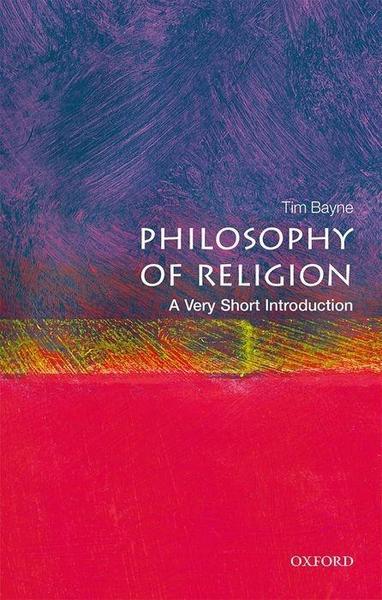
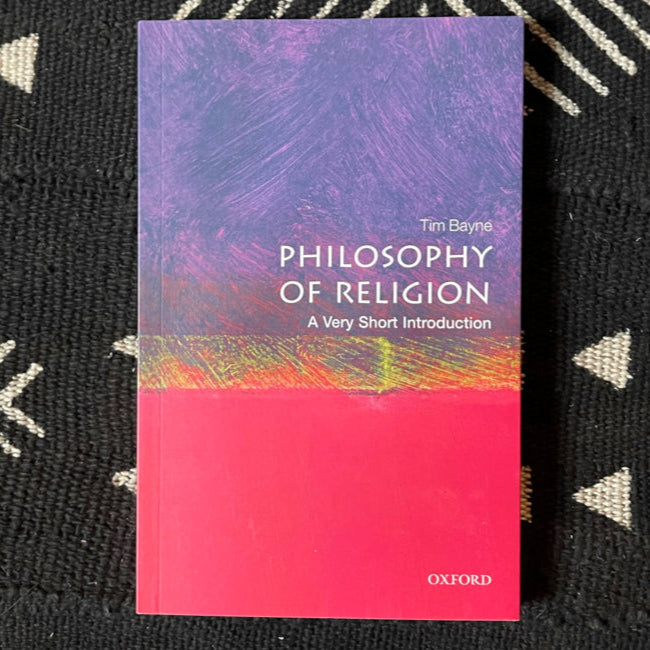
De quoi parle « Philosophy of Religion: A Very Short Introduction » de Tim Bayne ?
Ce livre propose une introduction concise à la philosophie de la religion et à ses grandes questions. Il aborde notamment la définition de la religion, la place des arguments en faveur de l'existence de Dieu, le problème du mal, ainsi que les relations entre foi, raison, science et religion.
Ce livre est-il plutôt académique ou accessible au grand public ?
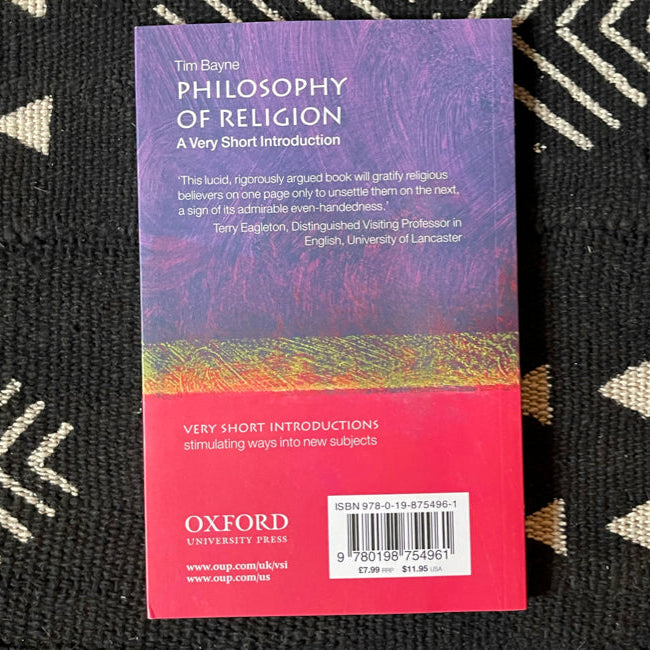
Le livre est philosophiquement solide, mais conçu comme une introduction claire et lisible. La page produit présente la collection « Very Short Introductions » comme un moyen compact et accessible d'entrer rapidement dans des sujets exigeants.
Dans quelle langue ce livre est-il disponible ?
Ce livre est entièrement en anglais.
Quelle édition est proposée ici ?
Il s'agit de l'édition de poche en anglais de « Philosophy of Religion: A Very Short Introduction » de Tim Bayne, publiée par Oxford University Press.
Combien de pages compte le livre ?
Le livre compte 133 pages.
À qui ce livre s'adresse-t-il ?
Ce livre s'adresse aux lectrices et lecteurs qui cherchent une introduction courte mais sérieuse à la philosophie de la religion, aux arguments sur Dieu, à la foi, à la raison et aux rapports entre science et religion.
-
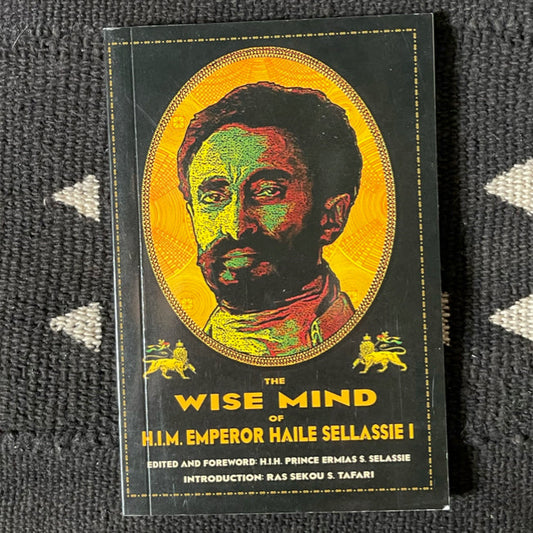
The Wise Mind of Emperor Haile Sellassie I
Prix habituel CHF 19.90Prix habituel -
Kebra Negast | The Glory of Kings
Prix habituel CHF 17.80Prix habituel -
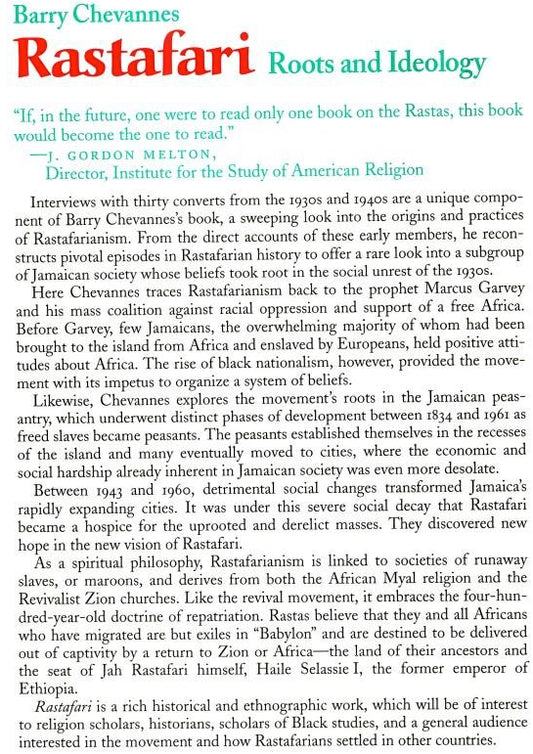
Rastafari: Roots and Ideology | Barry Chevannes
Prix habituel CHF 29.95Prix habituel -
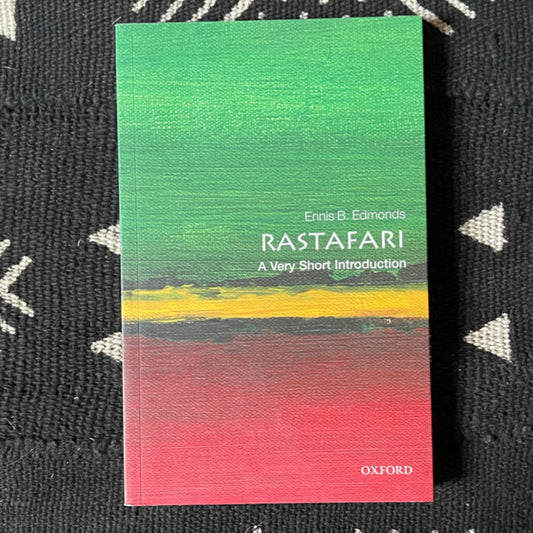
Rastafari | A very short introduction
Prix habituel CHF 15.90Prix habituel -
The Great Marcus Garvey | Liz Mackie
Prix habituel CHF 17.80Prix habituel -
Things Fall Apart | Chinua Achebe
Prix habituel CHF 19.90Prix habituel -
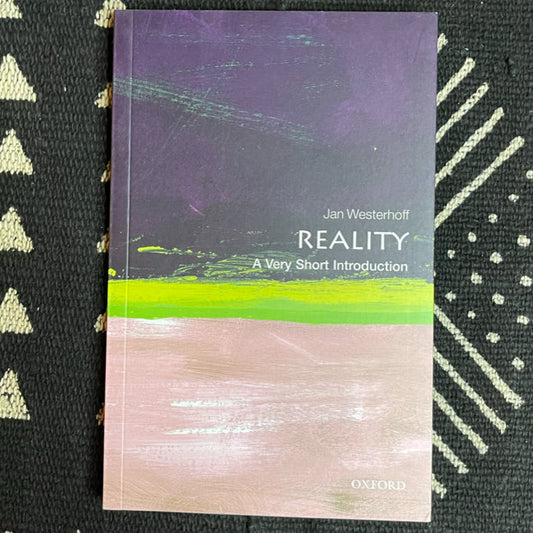
Reality | A very short introduction
Prix habituel CHF 17.90Prix habituel -
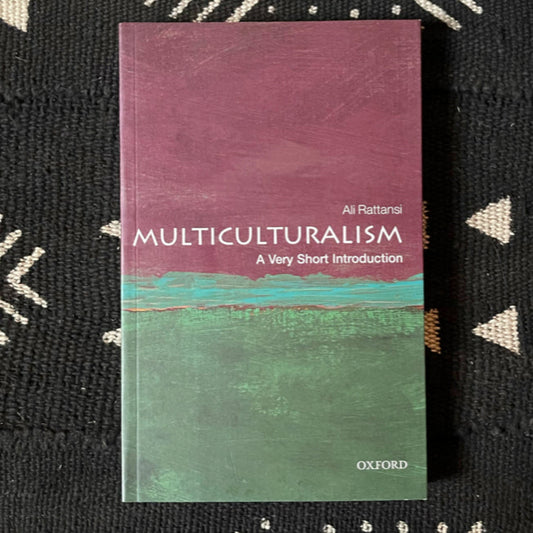
Multiculturalism | A very short introduction
Prix habituel CHF 13.90Prix habituel -
Little Book of Cannabis
Prix habituel CHF 13.90Prix habituel -
The Little Book of Marijuana
Prix habituel CHF 11.90Prix habituel -
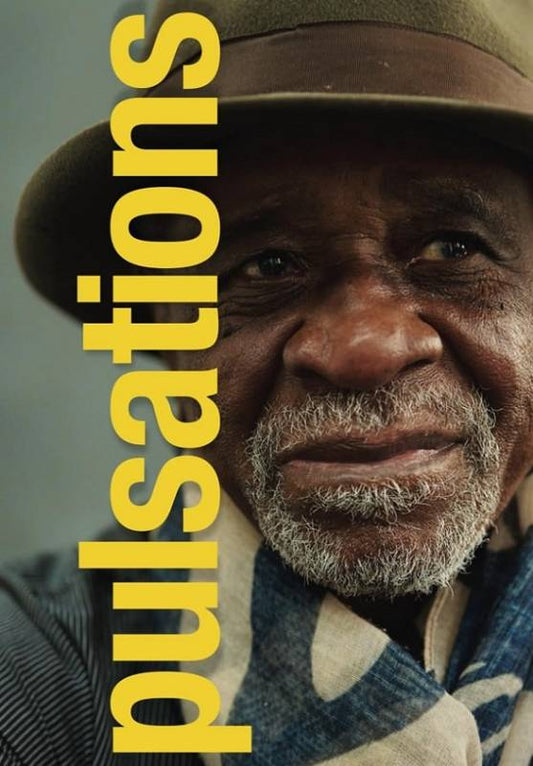
Pulsations 4 | Patrice Nganang
Prix habituel CHF 28.90Prix habituel -
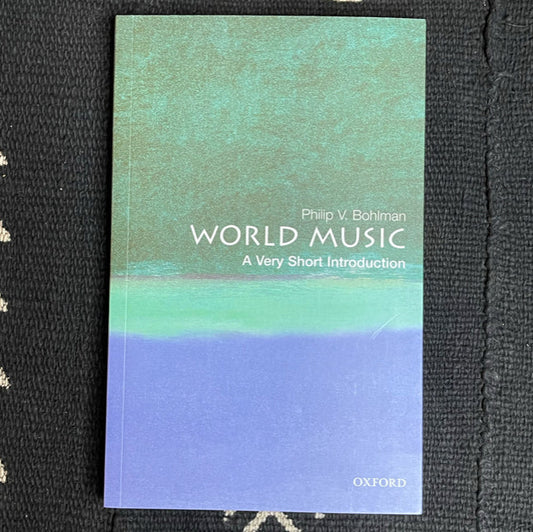
World Music | A very short introduction
Prix habituel CHF 19.90Prix habituel