Papiirli „Why Chemical Pesticides / Why Not Organic Farming“
Rolling Papers mit Filter
Verfügbarkeit für Abholungen konnte nicht geladen werden
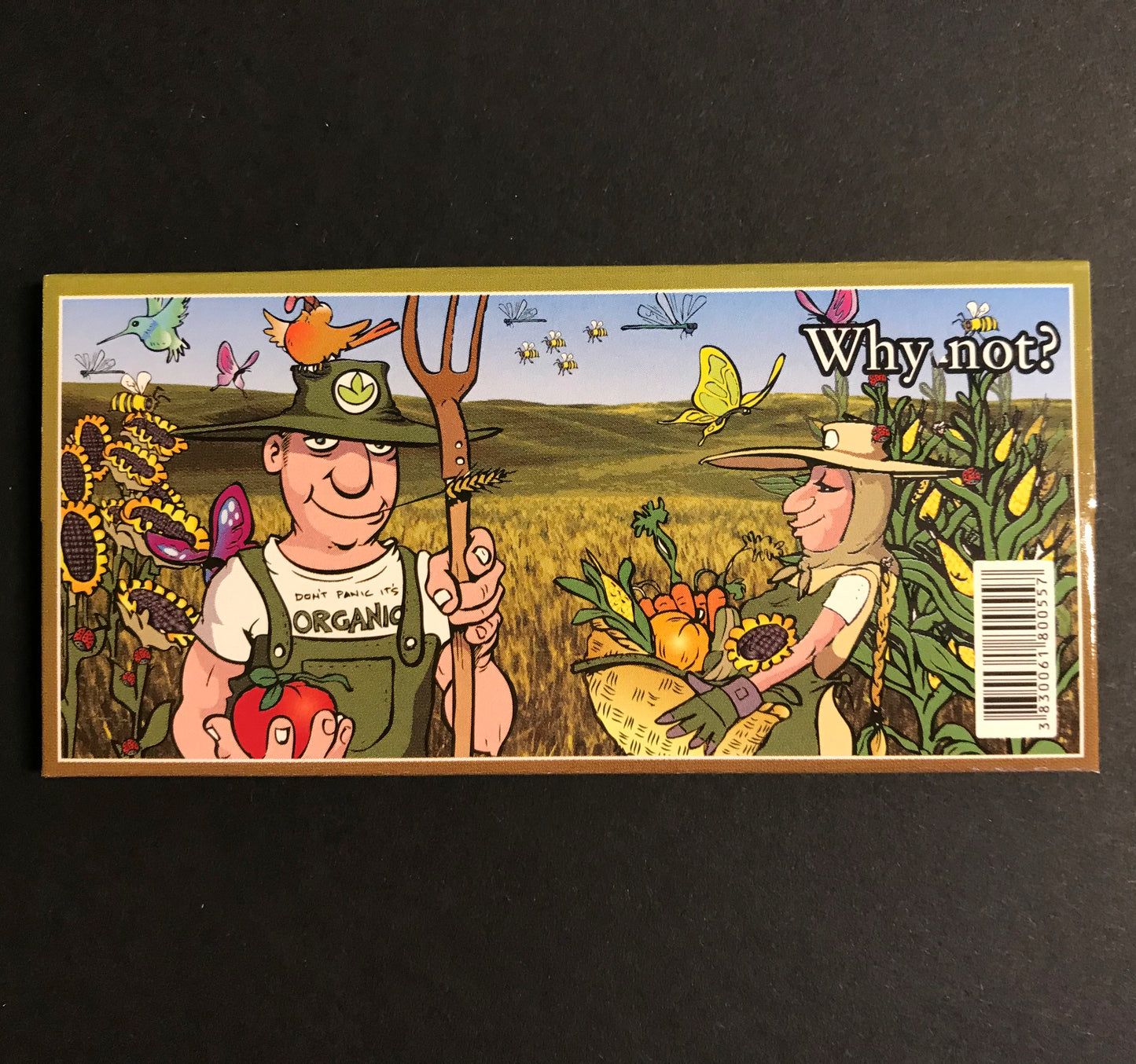
Die Papiirli Rolling Papers mit Filter verbinden hochwertiges Rauchzubehör mit kritischem Comic-Design und gesellschaftlicher Aussage. Die Edition „Why Chemical Pesticides / Why Not Organic Farming“ von Ivan Art Comics thematisiert auf anschauliche Weise die Auswirkungen chemischer Landwirtschaft und stellt die Vorteile ökologischer Anbaumethoden gegenüber.
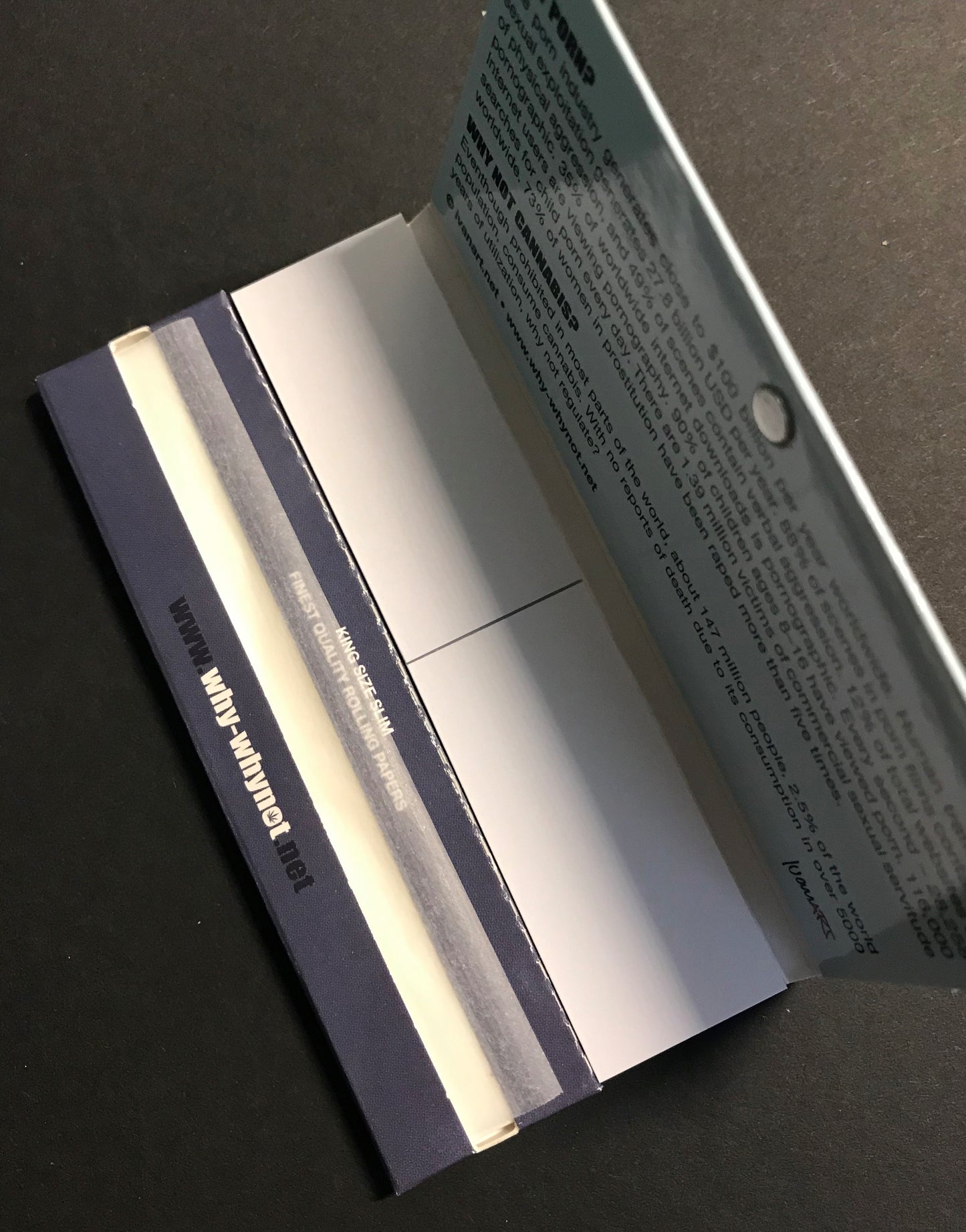
Das Set enthält 32 ultradünne, langsam brennende Papers im Format 110 × 45 mm sowie 32 weiße Filtertips. Die arabische Gummierung (Arabic Gum) sorgt für ein natürliches, zuverlässiges Klebeverhalten. Dank der Ultra-Thin-Qualität bieten die Papers ein gleichmäßiges Abbrennen bei minimalem Eigengeschmack.
Ein besonderes Highlight ist der magnetische Verschluss, der das Booklet sicher zusammenhält und es ideal für unterwegs macht. Papiirli richtet sich an Raucher, die nicht nur Wert auf Qualität legen, sondern auch auf Inhalte, Haltung und Design.
Produktdetails:
- Produkt: Rolling Papers mit Filter
- Edition: Why Chemical Pesticides / Why Not Organic Farming
- Künstler: Ivan Art Comics
-
Inhalt:
- 32 Papers (110 × 45 mm)
- 32 Filtertips (weiß)
- Art: Ultra Thin Maxi Pack Papers + Filter Tips
- Eigenschaften: ultradünn, slow burning
- Gummierung: Arabic Gum
- Verschluss: Magnetisch
- Zielgruppe: Raucher
Comic Text:
Why Chemical Pesticides: Hundreds of weeds and insects have become resistant to pesticides (equivalent to five times the amount of resistant species since the 50's). Farmers lose more crops to pests today than they did in the 1940s eventhough the use of chemical pesticides has increased 12 fold. Since pesticides are nonspecific even useful insects are eliminated such as pollinators and pest predators. Toxic runoffs poison our water sources effecting all life. The WHO estimates that pesticides poison roughly 20'000 persons per year.
Why Not Organic Farming: Organic farming enriches top soil, combats erosion, protects and conserves water supplies, and protects natural habitats encouraging healthy biodiversity. According to a study by Dr. Ingham, just one teaspoon of cornpost-rich organic soil may contain as many as 600 million to 1 billion helpful bacteria from 15'000 species and on the flip side, one teaspoon of soil treated with chemicals may crry as few as 100 helpful bacteria.