




Häufig gestellte Fragen (FAQ)
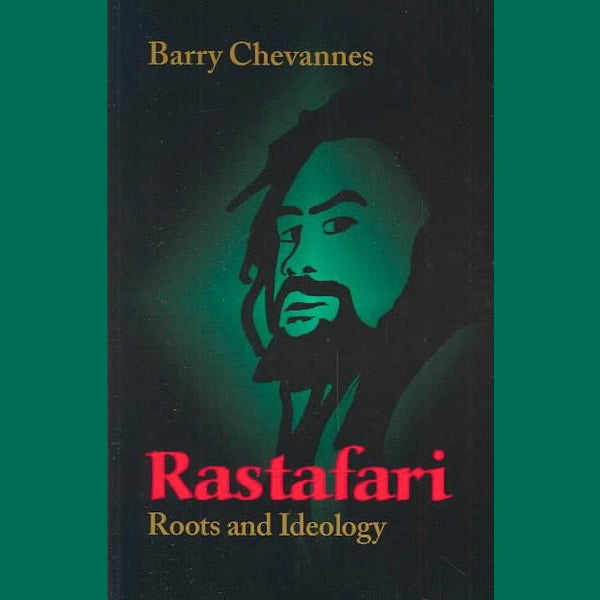
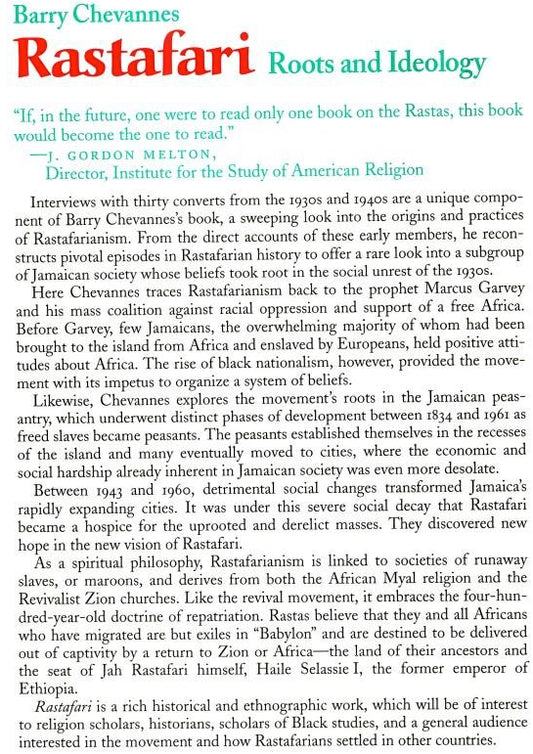
Worum geht es in "Rastafari: Roots and Ideology"?
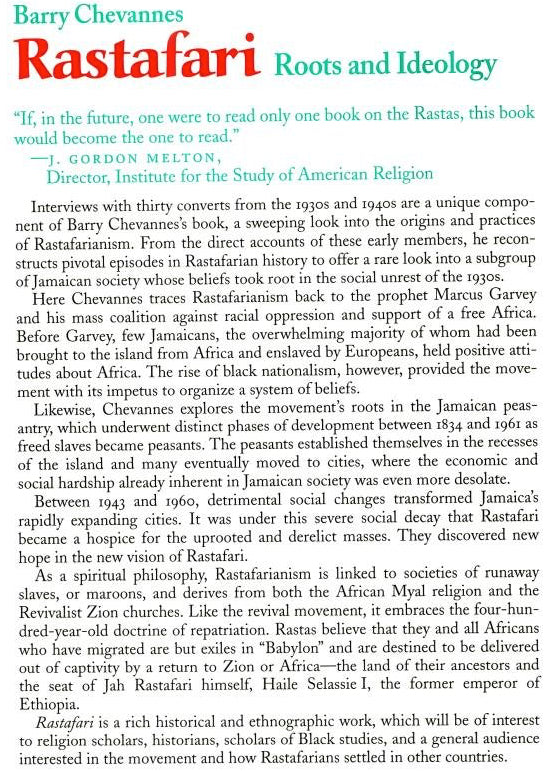
Das Buch "Rastafari: Roots and Ideology" von Barry Chevannes bietet einen historischen und ethnografischen Einblick in die Entstehung und Entwicklung der Rastafari-Bewegung. Auf Basis von Interviews mit frühen Mitgliedern erklärt es zentrale Glaubensinhalte, Rituale und die soziale Rolle von Rastafari in Jamaika und der afrikanischen Diaspora.
Für wen ist dieses Buch besonders geeignet?
Das Buch richtet sich an alle, die sich vertieft mit Rastafari beschäftigen möchten: Studierende und Forschende in Religionswissenschaft, Geschichte und Black Studies, kulturinteressierte Leserinnen und Leser sowie Menschen, die über Reggae und Bob Marley hinaus die Wurzeln der Bewegung verstehen möchten.
Welche Themen behandelt "Rastafari: Roots and Ideology" im Detail?
Chevannes behandelt unter anderem die historischen Ursprünge der Rastafari-Bewegung in den 1930er-Jahren, den Einfluss von Marcus Garvey, die Bedeutung von Dreadlocks, die Verbindung zu afrikanischen Religionen und Kirchen, die Idee von "Babylon" und "Zion" sowie die soziale Rolle von Rastafari in armen Stadtvierteln Jamaikas.
In welcher Sprache ist das Buch verfasst?
Das Buch "Rastafari: Roots and Ideology" ist vollständig in englischer Sprache verfasst.
Is "Rastafari: Roots and Ideology" suitable for beginners?
Yes. Even though it is based on academic research and interviews, the book is written in a clear and accessible style. It is suitable for readers discovering Rastafari for the first time as well as for advanced readers who want a solid, well-documented reference work.
Welche Ausgabe wird bei King Jah verkauft?
Bei King Jah erhalten Sie die englischsprachige Taschenbuchausgabe von "Rastafari: Roots and Ideology" mit 298 Seiten, veröffentlicht bei Syracuse University Press.
-
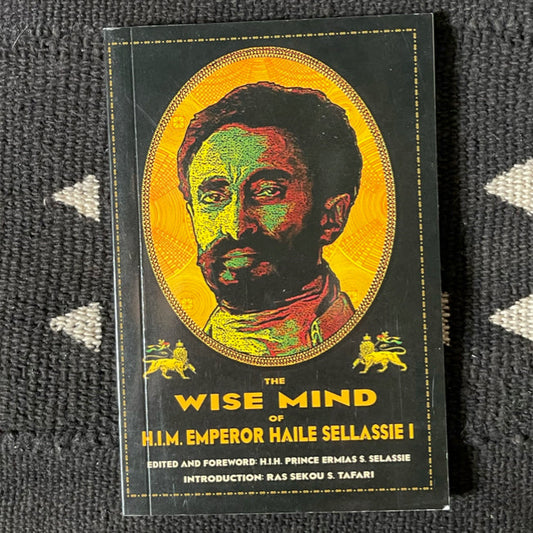
The Wise Mind of Emperor Haile Sellassie I
Normaler Preis CHF 19.90Normaler Preis -
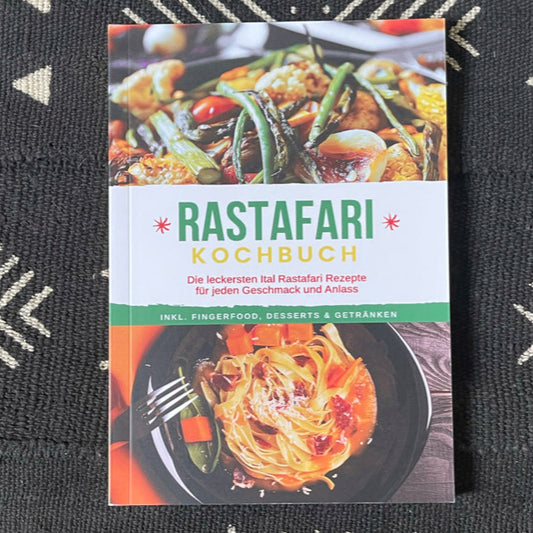
Rastafari Kochbuch – Authentische Ital-Rezepte aus Jamaika | Vegan, gesund & naturverbunden
Normaler Preis CHF 15.50Normaler Preis -
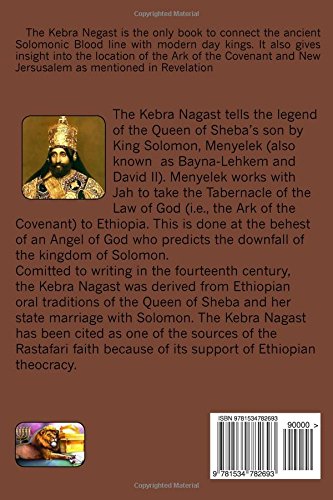
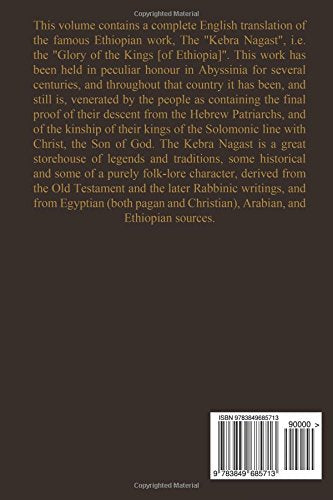
Kebra Negast | The Glory of Kings
Normaler Preis CHF 17.80Normaler Preis -
Rastafari: Roots and Ideology | Barry Chevannes
Normaler Preis CHF 29.95Normaler Preis -
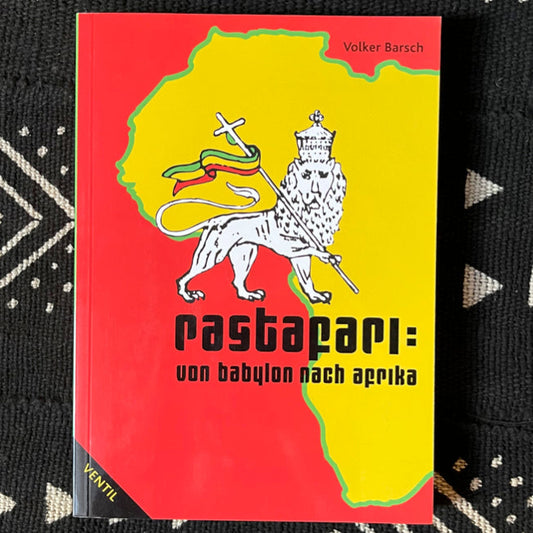
Rastafari | Von Babylon nach Afrika
Normaler Preis CHF 19.90Normaler Preis -
Big Ideas. Das Black-History-Buch
Normaler Preis CHF 39.90Normaler Preis -
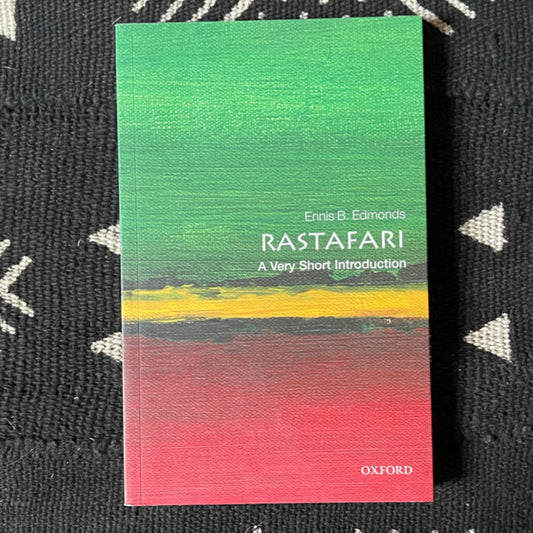
Rastafari | A very short introduction
Normaler Preis CHF 15.90Normaler Preis -
Rastafarian Jah | Lydia D. Thomson-Smith
Normaler Preis CHF 61.05Normaler Preis -
Dictionary Of Popular Jamaican Phrases
Normaler Preis CHF 11.90Normaler Preis -
Rastafari | Eine universelle Philosophie im 3. Jahrtausend
Normaler Preis CHF 30.90Normaler Preis -
Kebra Nagast | The Queen of Sheba and her only son Menyelek
Normaler Preis CHF 22.90Normaler Preis -
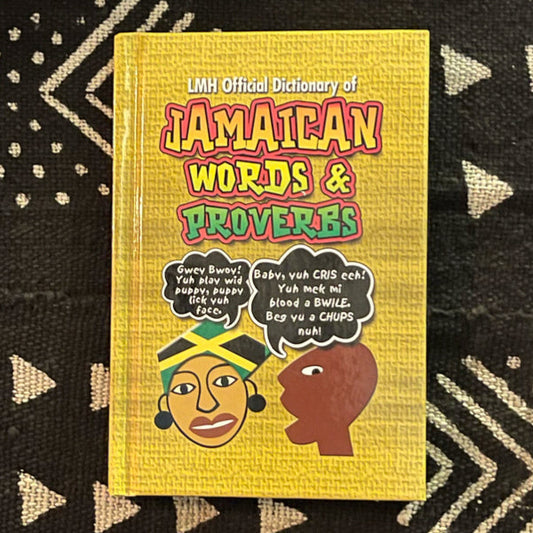
Jamaican Words And Proverbs | Lmh Official Dictionary
Normaler Preis CHF 11.90Normaler Preis















Rastafari-Kultur verstehen
Artikel zu Jamaika, Maroons & afrikanischer Verbindung

Haile Selassie I. | Der Löwe von Juda und sein Erbe
Haile Selassie I., der letzte Kaiser Äthiopiens, ist eine Schlüsselperson in der...
Weiterlesen

Zion in der Karibik | Die tiefgreifende, vielschichtige Verbindung zwischen Rastafari und dem afrikanischen Kontinent
Die Rastafari-Bewegung, die in den 1930er Jahren in Jamaika entstand, ist weit...
Weiterlesen

Entdecke Jamaika | Die Seele der Rastafari-Kultur
Jamaika ist das spirituelle Zentrum der 1930er entstandenen Rastafari-Bewegung. Sie verehrt Haile...
Weiterlesen

Die Schwarzen Königreiche des Widerstands | Geschichte, Souveränität und das komplexe Erbe der Maroons in der Neuen Welt
Der Blog beleuchtet die Geschichte der Maroons, geflohener afrikanischer Sklaven, die in...
Weiterlesen